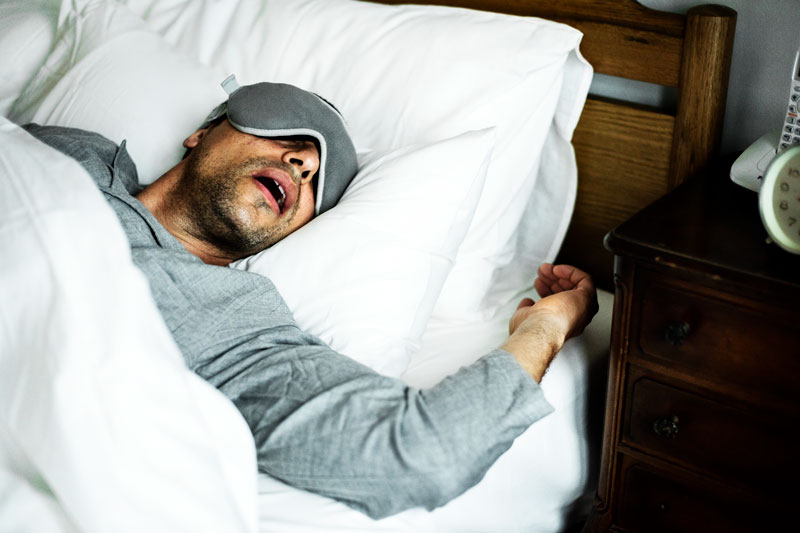
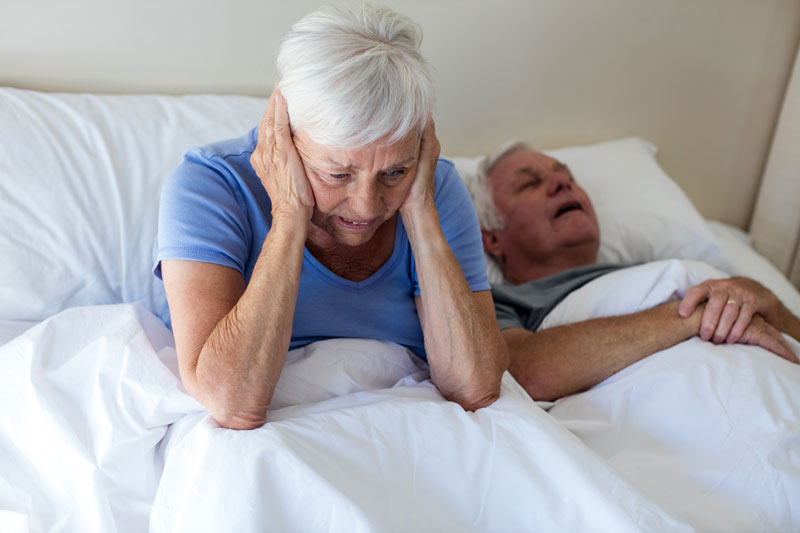
Do you find yourself waking up in the middle of the night due to snoring? You’re not alone. Snoring is a common problem that impacts nearly a quarter of the American population.
Snoring vs sleep apnea is tricky since the two issues can look similar at a glance. However, sleep apnea is a much worse condition with potential serious health implications if left untreated.
Learning the difference between snoring and sleep apnea is your first step toward deep, restful sleep. We’ll discuss the importance of distinguishing between the two, then teach you how the expert team at The Centers for Advanced ENT Care – Austin, Texas can help with diagnoses and treatments.
What is Snoring?
If you’ve ever made rumbling or snorting sounds in your sleep, you’ve likely got a snoring problem on your hands. Snoring can also sometimes sound like a soft whistle or a harsh ‘sighing’ whenever you exhale.
These sounds come from compromised airflow between your throat, tongue, and soft palate (the muscular part of your mouth’s roof). If your airway becomes too narrow, the vibrations then cause whistling or rumbling sounds.
Snoring can be a tricky symptom to connect to sleep problems since it’s so common and usually harmless. It can be affected by several factors, ranging from the size of your sinuses to your weight, your allergies, and even how much alcohol you drink.
What is Sleep Apnea?
Sleep apnea is a condition where your natural breathing patterns become interrupted while you’re sleeping. Mild sleep apnea can sometimes interfere with restful sleep, while more severe sleep apnea can make sleeping feel impossible.
It’s understandable that so many people are curious about snoring vs sleep apnea, especially since the former can be a warning sign for the latter. However, it’s possible to have a snoring habit, but not have sleep apnea. Likewise, not all sleep apnea cases involve snoring.
What is the Difference Between Snoring and Sleep Apnea?
Main Symptoms | Snoring | Sleep Apnea |
Noise | Can range from low rumbling to loud snorts | Can sound like snoring interrupted by gasping or choking |
Disruption | Usually not disruptive to sleep (though can sometimes wake up others) | Repeatedly wakes people up throughout the night |
Quality of Life | Usually has little to no impact on sleep quality or health | Constantly interrupted sleep can lead to headaches, exhaustion, and weight gain |
While snoring can disrupt a good night’s sleep, it doesn’t usually cause any significant health issues. You might wake up with a dry mouth, a sore throat, or a feeling of fatigue.
On the other hand, sleep apnea involves temporary blockage of the airway during sleep, causing you to stop breathing for short periods. This happens due to the involuntary relaxation of throat muscles. Snoring is often the first symptom of sleep apnea, followed by instances of choking or gasping as the body attempts to clear the airway.
When Is Snoring Actually a Sign of Sleep Apnea?
Snoring may be a sign of sleep apnea if each snore is followed by a noticeable pause in breathing. These pauses in breathing may be followed by gasping, choking, or suddenly waking up.
It helps to think of sleep apnea as disruptive and chronic, while snoring doesn’t cause many problems. If you snore sometimes, but still get good sleep, you don’t have a sleep apnea issue.
Sleep Awareness Week: Embracing Better Sleep
- Cardiovascular disease: Untreated sleep apnea increases the risk of heart disease, irregular heart rhythms, and stroke.
- High blood pressure: Repeated breathing interruptions during the night can lead to hypertension.
- Type 2 diabetes: Sleep apnea is linked to insulin resistance and an increased risk of type 2 diabetes.
- Headaches: Morning headaches may result from poor sleep quality due to sleep apnea
- Daytime sleepiness: Sleep apnea can cause excessive daytime sleepiness, affecting concentration, memory, and causing accidents.
- Weight gain: Disrupted metabolism from sleep apnea can make it challenging to lose weight and may lead to weight gain.Wh
What Steps Can I Take To Alleviate Sleep Apnea Symptoms?
If you snore regularly or think you have sleep apnea, there are a number of steps you can take to alleviate the symptoms:
- Maintaining a healthy weight and diet can strengthen throat muscles
- Avoiding alcohol and smoking promotes a healthy airway
- Practicing good sleep habits such as a strict sleep schedule and turning your phone off before bed can contribute to better sleep
However, the most precise method to confirm sleep apnea is through a formal diagnosis via a polysomnogram or a sleep study. Given the potential for serious health consequences if sleep apnea is left untreated, seeking medical attention is much more reliable than a home sleep test or hoping the issue will resolve itself.
How is Sleep Apnea Diagnosed?
To get a formal diagnosis for sleep apnea, your first step is to reach out to an otolaryngologist (or ENT for short). After a formal intake where you share your symptoms and concerns, they’ll conduct a series of tests to narrow down the cause of your sleep disturbances.
Your ENT will perform a sleep study. They’ll use CT scans and a polysomnogram to record your brain’s activity, blood oxygen levels, average heart rate, and breathing patterns. Getting the full picture is crucial for telling the difference between snoring vs sleep apnea. You’ll also potentially narrow down (or rule out) other issues, such as chronic stress or insomnia.
In the case of a severe sleep apnea diagnosis, an ENT may suggest a drug-induced sleep endoscopy (or DISE for short). With the help of a little sedation, they’ll be able to analyze collapsing airways or study your airway’s anatomical shape for potential issues.
What Are the Treatments for Sleep Apnea?
Since sleep apnea can be caused by a variety of health issues, there is no one-size-fits-all treatment. Your ENT specialist will instead narrow down a customized solution from options that range from surgery to supportive devices.
You can also use multiple solutions if you have particularly complex or severe sleep apnea.
CPAP Machine
One of the most reliable treatments for sleep apnea is the CPAP machine (or ‘continuous positive airway pressure’). It provides a steady stream of air to keep your airways open and prevent the collapse that leads to snoring, choking, and gasping.
CPAP machines also filter the air around you, reducing the amount of contaminants, so you’re not accidentally triggering dust or pollen allergies.
Positional Therapy
If your sleep apnea comes from your posture, positional therapy can help you reduce your symptoms. This therapeutic treatment method helps you retrain your body to sleep in certain positions to keep your airways open throughout the night.
Nasasl Resistors
If your sleep apnea is caused by the shape of your nasal passages, you may need to use nasal resistors every time you sleep. These small devices can help open up your nostrils to promote healthier airflow.
While you may be tempted to use home sleep tests, it’s important to note that they can be inaccurate. They may fall off while you’re using them at night or fail to provide a thorough diagnostic evaluation of your brain’s activity.
3 Signs You Should See an ENT Specialist
- You Wake Up Multiple Times per Night – Waking up repeatedly throughout the night is a common symptom of sleep apnea. Since you need an uninterrupted REM cycle for truly healing sleep, this issue can become very exhausting over time.
- Functioning in Daily Life is Growing Difficult – While occasionally missing out on good sleep is normal, constantly missing out is another story. If your lack of sleep has been causing poor concentration, irritability, or struggles with short-term memory, it’s time to consider professional help.
- You’ve Already Ruled Out a Few Causes – The process of elimination may cause you to seek out professional help. If you already know the issue isn’t caused by chronic stress or alcohol intake, an ENT can give you some much-needed insight.
Schedule a Consultation Today!
At The Centers for Advanced ENT Care – Austin, Texas, our team of experts can help diagnose and treat sleep apnea. Contact us today to schedule a consultation and take the first step towards better sleep and better health.