
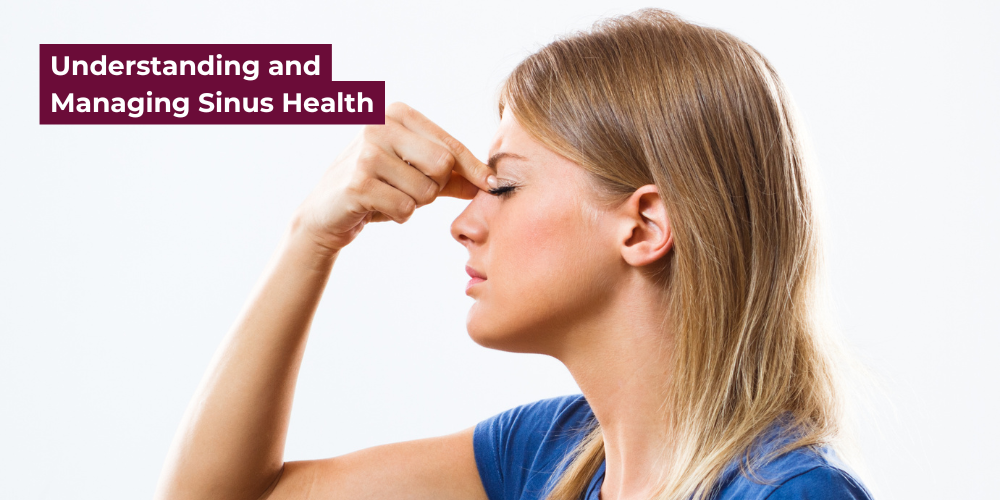
Sinus issues can significantly impact daily life, leading to discomfort, reduced productivity, and decreased quality of life. By understanding the importance of sinus health and knowing how to address related issues, individuals can take proactive steps to maintain a healthy and comfortable life.
Learn more about why and how to improve your sinus health.
Why Sinus Health Matters for Everyone
The sinuses are air-filled spaces in the forehead, cheeks, and behind the nose. They play a crucial role in our respiratory system, helping to humidify and filter the air we breathe. Healthy sinuses produce mucus that traps dust, bacteria, and other particles, preventing them from entering the lungs.
When the sinuses become inflamed or blocked, it can lead to a range of uncomfortable symptoms. You may experience nasal congestion, facial pain, reduced sense of smell, or headaches. In cases of sinusitis, symptoms can last for four to twelve weeks—resulting in significant disruption to daily routines.
Learn about when it’s time to see a doctor for your sinus symptoms.
Common Sinus Issues
Several conditions can affect sinus health, with sinusitis being one of the most common. Sinusitis, or inflammation of the sinuses, can be caused by infections, allergies, or structural issues. According to the American Academy of Otolaryngology–Head and Neck Surgery (AAO-HNS), symptoms of sinusitis include:
- Nasal congestion
- Facial pain or pressure
- Reduced sense of smell
- Thick nasal discharge
- Headache
- Cough
These symptoms can vary in severity and duration, with acute sinusitis lasting up to four weeks and chronic sinusitis persisting for more than 12 weeks.
How to Keep From Getting a Sinus Infection
Maintaining good sinus health involves a combination of preventive measures and timely treatment. Learn how to keep from getting sinus infections with these key tips.
- Practice Good Hygiene
Wash your hands regularly to prevent the spread of infections. Avoid touching your face, especially your nose and mouth, to reduce the risk of introducing bacteria and viruses into your sinuses. - Stay Hydrated
The steps for how to keep sinuses healthy aren’t overly complicated. Simply drinking plenty of water helps keep mucus thin and flowing, preventing blockages. Consider using a humidifier in dry environments to maintain moisture in the air. - Manage Allergies
Allergies can contribute to sinus inflammation. Identify and avoid allergens that trigger your symptoms. Over-the-counter or prescription medications, such as antihistamines and nasal sprays, can help manage allergy symptoms. - Avoid Irritants
Smoke, strong odors, and pollutants can irritate the sinuses. Minimize exposure to these irritants, and consider using an air purifier to improve indoor air quality. Saline rinses can flush away some irritants after exposure. - Seek Professional Care
If you experience persistent or severe sinus symptoms, consult a healthcare professional, like a doctor who specializes in sinus treatments. They can diagnose the underlying cause of your symptoms and recommend appropriate treatment, which may include medications, nasal irrigation, or, in some cases, surgery.
Sinus Treatment with The Centers for Advanced ENT Care
Many people live with chronic sinus issues without realizing the impact they have on their overall well-being. At The Centers for Advanced ENT Care – Austin, Texas, our team is dedicated to providing comprehensive education and care for all your sinus and allergy needs.
Whether you’re dealing with recurrent sinus infections, allergies, or other ENT concerns, we’re here to help. Contact us at (512) 277-7500 or schedule an appointment online.
Frequently Asked Questions
Yes, saline irrigation can improve sinus health long-term by reducing allergen and irritant exposures. When symptomatic, rinse the sinuses with saline once or twice a day. Without symptoms, less frequent irrigation may prove to be effective.
Always use sterile water for sinus irrigation.
Yes, allergies—whether seasonal or not—can cause sinus irritation, even when no infections are present. Allergies cause swelling in the sinuses, which can be uncomfortable, and can lead to more significant sinus problems over time.
Dry air can certainly contribute to sinus inflammation. As you breathe in dry air, it circulates through your sinuses and dries out the protective mucus membranes. This leads to irritation, swelling, and greater vulnerability to allergens and pathogens.
Vitamin D deficiency has been shown to have a significant relationship with sinus problems, including allergies and asthma. A blood panel that includes vitamin D levels may be an appropriate diagnostic tool when addressing chronic sinus conditions.